Freelance creative work has a specific set of productivity challenges that generic productivity advice doesn't always address — irregular project sizes, client revision cycles, and the difficulty of estimating how long creative work will actually take.
1. Track Time on Past Projects, Even Roughly
One of the biggest sources of freelance stress is under-quoting because you genuinely don't know how long a type of project takes. Even rough time tracking on a handful of past projects gives you real data to quote future work more accurately, rather than guessing each time.
2. Build a Revision Policy Before You Need One
Deciding in advance how many rounds of revisions are included, and what counts as a "revision" versus a "new request," prevents scope creep from eating into your effective hourly rate. Communicating this upfront, before starting a project, avoids uncomfortable conversations mid-project.
3. Separate "Client Communication Time" From "Focused Work Time"
Constantly checking messages during focused creative work fragments attention in a way that's especially costly for detail-oriented visual work. Batching client communication into set windows (checking messages a couple of times a day rather than continuously) protects longer stretches of uninterrupted focus.
4. Keep a Simple Asset/Reference Library
Recreating the same brushes, references, or color palettes from scratch on every project wastes real time. A basic organized folder structure for reusable assets — even something simple — pays for itself quickly once you have more than a handful of projects.
5. Invest in Ergonomics Before You Have a Problem
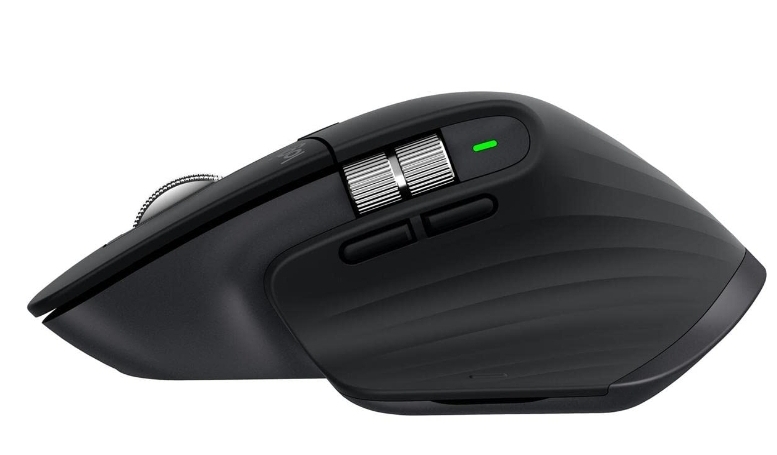
Freelance creative work often means longer, more irregular hours than a structured job — which makes ergonomic problems compound faster. Addressing screen height, mouse ergonomics, and desk setup (see our desk setup guide) before you're already dealing with wrist or neck pain is more effective than trying to fix an established problem.
6. Set a Real Stopping Point Each Day
Without external structure, freelance work can expand to fill all available time, which isn't sustainable and often doesn't even improve output quality past a certain point. A defined daily stopping point, even a flexible one, helps maintain the consistency needed for long-term freelance work.
Frequently Asked Questions
How do I estimate project time if I've never tracked it before?
Start now, even imperfectly — rough time tracking on your next few projects, even estimated after the fact, gives you real data faster than continuing to guess without any record.
What's the most common productivity mistake new freelancers make?
Not defining a revision policy upfront is one of the most common — open-ended revisions without a clear boundary is one of the most frequent sources of scope creep and effectively unpaid work.